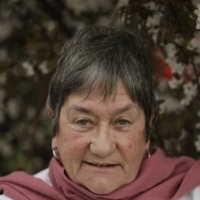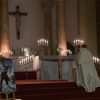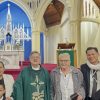

Today we received the sad news that Willie Campbell passed away yesterday. A member of the Lay Dominican leadership team for many years, we give thanks to Willie for her ministry. We share below a profile that Willie share with us for the website in 2016. I was born into a family that had two Dominican Sisters. Both were cousins of my father, one on the Tither side and one a Collins. They were Sisters when I was born so there was always Sisters in my life. We used to go and visit them in the Convent. They never came home to see family in those days. The surroundings were always very different to anywhere else I went on a family visit. There were all the religious pictures on the wall. You were told to sit still and behave yourself. They always asked “are you behaving yourself.” We were always quite pleased to go home. I went to Kurow District High School when I was five. The thing I remember was that it took a long time to walk there. I was only there two years and then I went to a Dominican Boarding School in North Otago, St Patrick’s College, Teschemakers for 11 years. High in my memories of Teschemakers is the 6.30am Mass in the Chapel each morning. We started going when we were about 10 years old. It was a totally multi-sensory experience. You were hungry. You had been fasting since teatime the night before. People fainted
Read More